In Home Perinatal & Postpartum Support
Getting out of the house is hard enough without a therapy appointment on top of it. I come to you.
What is perinatal support at home?
Perinatal support covers pregnancy and the first year after birth. It's one of the most emotionally demanding periods most people will ever live through. It’s also unfortunately one of the hardest to get support during, because everything else takes priority and the logistics of leaving the house can feel impossible.
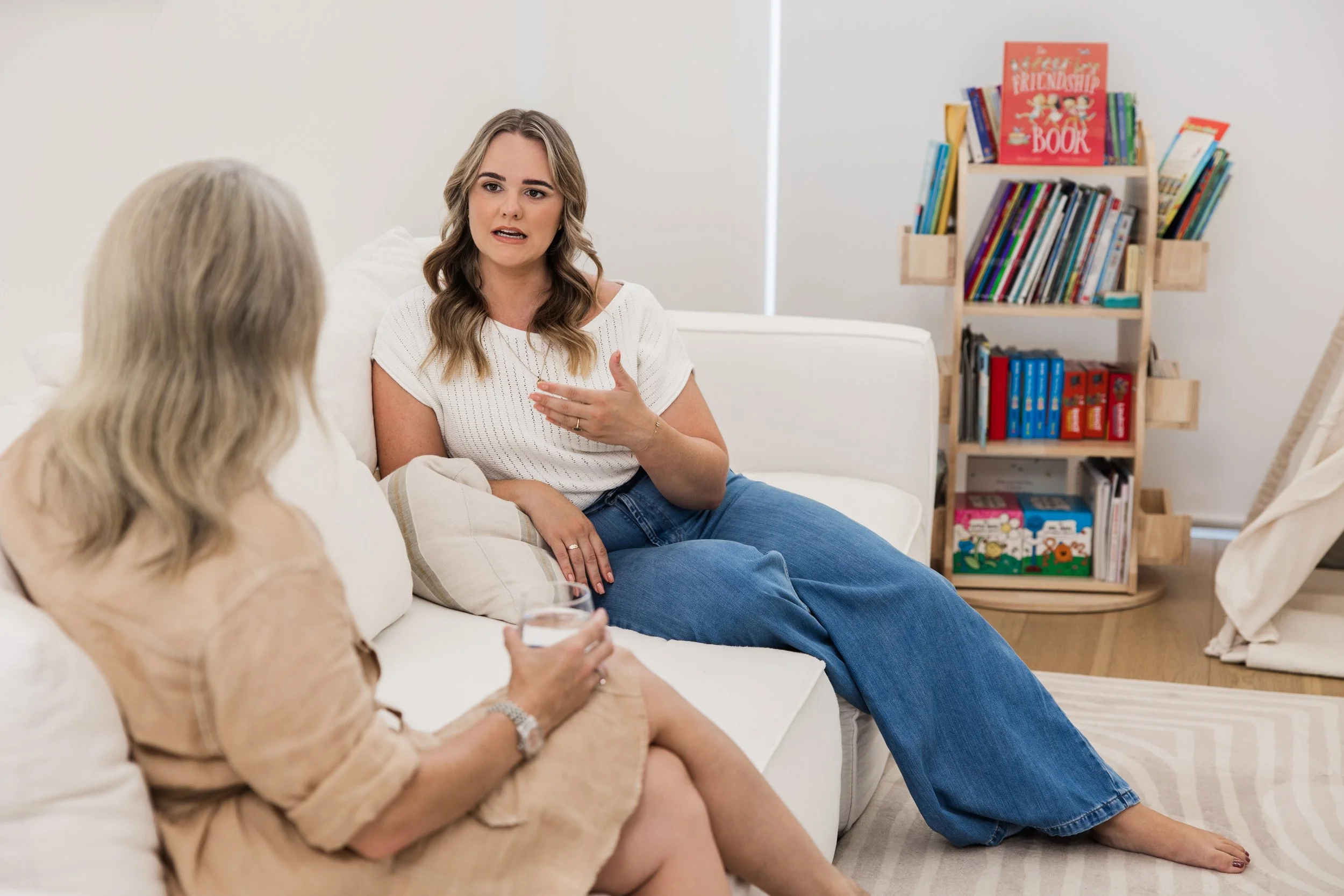
In-home sessions mean you don't have to time a feed, pack a bag, or find parking. You sit in your own space, comfortable with your child , and we do the same depth-focused work we'd do in clinic.
Telehealth and in-clinic sessions are also available if that works better for you.

Common ExperiencesWho is this for?
The transition into parenthood surfaces things most people don't expect. And honestly, even if you had done all the research on the emotional load of being a new parent, it can still be pretty surprising how impactful it all is.
Profound love and piercing loneliness. Deep gratitude and resentment. Boundless joy sitting right next to extraordinary rage. Some parents find themselves fiercely protective of their baby and utterly lost to themselves. Others find the connection they imagined isn't instant, and don't know what to make of that.
Becoming a parent is extremely complex, and hits on all of our attachment wounds.
This kind of support suits you if you're navigating any of the following:
Anxiety, intrusive thoughts, or constant worry
Low mood, emotional flatness, or postpartum depression
A traumatic birth or NICU experience
Relationship strain or feeling unsupported
Identity loss, or not feeling like yourself anymore
Feeding pressure, guilt, or anxiety about your baby
Grief for who you were before
My approach
Perinatal support gets a genuinely integrative approach from me. Patients in this stage of life have a nervous system that is already under significant load. The work needs to be paced carefully, and what's most helpful shifts depending on where you are.
Sometimes that falls within my preferred style of therapy, which is psychodynamically focused. This is looking at the relational patterns and attachment wounds that parenthood has activated. Sometimes it's more practical and supportive: building capacity, reducing load, finding footholds. Sometimes it’s picking up a dropped dummy and giving it a rinse.
I follow your lead and track what your system can hold.
What to expect
Sessions are 50 minutes, weekly or fortnightly depending on what you need. In-home visits are available during pregnancy and the first year of your child's life, though this is flexible based on your circumstances and your baby's temperament.
You don't need to tidy up. You don't need to perform. You can feed your baby, sit wherever is comfortable, and be exactly as you are. My job is to carve out a space within the chaos that belongs just to you.
Scheduling: In home perinatal sessions are not available through the online booking portal. Please contact me directly to discuss your location, availability, and to arrange a time that works around you.
Backed By ResearchWhy this kind of therapy works
Reduced anxiety and depression
Home‑visiting interventions, especially for parents at higher risk of perinatal depression, have been shown to reduce symptoms of postpartum depression and improve maternal mental health by providing personalised support in the home environment.
Improved confidence
Studies measuring mother-infant bonding, responsiveness, and confidence in caregiving found benefits from home-based mental health support.
Realistic support
Home based support allows tailored guidance in a realistic context, which is linked to better adherence to mental health strategies and higher patient satisfaction.

Common questions
-
Sessions are flexible to your needs and your baby’s needs. I work around your their routine, pausing or adjusting as needed. The focus is on your well-being, and we can integrate caregiving moments into the session rather than letting interruptions derail progress.
-
In home sessions are scheduled directly rather than through the online portal. Contact me to discuss your location and availability and we will find a time that works.
Once bookings are confirmed, a route and session time are provided, making it easy to fit the visit around your day. Some flexibility in booking time is required for this approach to therapy, and may not be suitable for all schedules.
-
Yes. I follow strict safety and hygiene protocols, and all sessions are designed to prioritise both your mental well-being and your baby’s safety.
-
I ensure we have a private, uninterrupted space, and all sessions follow strict professional confidentiality guidelines, just as they would in a clinic setting. I do not expect your parter to be home to care for the child during our sessions, as the purpose of in home visitation is to support you alongside your parenting role.
-
With a mental health care plan from your GP or psychiatrist, the out-of-pocket cost is the same as an in-clinic or online session. While the total session fee is higher, the Medicare rebate means you pay the same as you would for other types of therapy with me.
This is possible because out-of-office consultations attract higher Medicare rebates, which the clinic absorbs to cover travel time.